
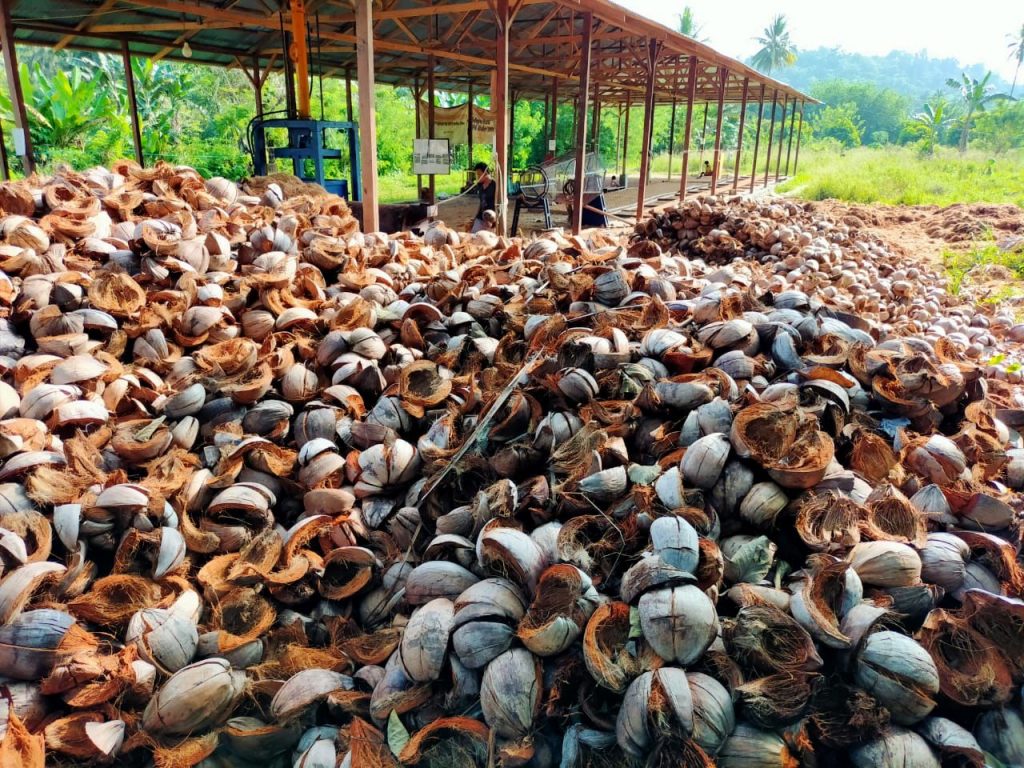
Commercial potential of coconut fiber, derived from the husk of coconuts, represents a versatile and sustainable material with immense commercial potential across various industries. As global demand for eco-friendly and renewable resources continues to rise, coconut fiber has garnered attention for its wide range of applications and beneficial properties.
From agriculture and construction to textiles and environmental conservation, the commercial potential of coconut fiber is vast and promising. In this article, we will explore the diverse commercial applications and opportunities associated with coconut fiber.
1. Agricultural Applications:
a. Soil Amendment and Mulching: Coconut fiber is widely used in agriculture as a soil amendment and mulching material. Its fibrous structure improves soil aeration, moisture retention, and nutrient uptake, enhancing soil fertility and promoting plant growth. Additionally, coconut fiber mulch suppresses weed growth and prevents soil erosion, making it an essential component in sustainable farming practices.
b. Hydroponic and Soilless Cultivation: In hydroponic and soilless cultivation systems, coconut fiber serves as a popular growing medium for a variety of crops. Its ability to retain moisture and provide adequate aeration makes it an ideal substrate for hydroponic setups, promoting healthy root development and efficient nutrient uptake in plants.
2. Construction and Building Materials:
a. Insulation and Soundproofing: Coconut fiber is utilized as an eco-friendly insulation material in construction applications. Its natural resilience to moisture and thermal properties make it an excellent choice for insulating walls, ceilings, and roofs. Additionally, coconut fiber-based panels and boards offer soundproofing benefits, contributing to acoustic comfort in buildings.
b. Erosion Control and Soil Stabilization: Coconut fiber erosion control products, such as mats, blankets, and logs, are employed in construction and land development projects to stabilize soil surfaces and prevent erosion. These biodegradable materials provide temporary cover and reinforcement, allowing vegetation to establish and stabilize slopes, embankments, and waterways.
3. Textile and Manufacturing Industries:
a. Coir Products: Coconut fiber is spun and woven into textiles, rugs, mats, and upholstery for its natural texture and durability. Coir products are valued for their eco-friendly characteristics and rustic appeal, making them popular choices for interior and exterior décor, furniture, and handicrafts.
b. Geotextiles and Erosion Control Solutions: Coconut fiber geotextiles are used in civil engineering and environmental applications for erosion control, slope stabilization, and soil reinforcement. These biodegradable geotextiles offer cost-effective and sustainable solutions for infrastructure projects, land reclamation, and environmental restoration efforts.
4. Environmental Conservation and Restoration:
a. Wetland Rehabilitation: Coconut fiber mats and rolls are employed in wetland restoration projects to stabilize shorelines, enhance habitat diversity, and prevent sediment erosion. Coir erosion control products provide natural erosion control and serve as a substrate for native vegetation establishment, contributing to ecosystem resilience and biodiversity conservation.
b. Coastal Protection: In coastal areas prone to erosion and storm surges, coconut fiber erosion control measures play a crucial role in preserving coastal ecosystems and mitigating the impacts of sea-level rise and climate change. Coconut fiber mats and sandbags provide natural barriers against wave action and coastal erosion, safeguarding coastal communities and infrastructure.
5. Commercial Opportunities and Market Potential:
The commercial potential of coconut fiber extends beyond traditional applications, presenting opportunities for innovation and diversification in various sectors:
a. Research and Development: Ongoing research and development efforts focus on exploring new applications and technologies for coconut fiber, including bio-based materials, bioplastics, and renewable energy solutions. Collaborative initiatives between industries, academia, and government agencies drive innovation and expand the commercial horizon for coconut fiber.
b. Global Market Expansion: With increasing awareness of sustainability and environmental responsibility, the global market for coconut fiber continues to expand. Emerging markets in Asia, Africa, and Latin America present lucrative opportunities for coconut fiber producers and exporters to tap into growing demand for eco-friendly products and solutions.
Conclusion:
In conclusion, the commercial potential of coconut fiber is vast and multifaceted, encompassing diverse industries and applications. From agriculture and construction to textiles and environmental conservation, coconut fiber offers sustainable solutions that address modern challenges while promoting economic growth and environmental stewardship.
As the global community embraces sustainable development goals and seeks alternatives to conventional materials, coconut fiber emerges as a renewable resource with immense commercial value and market potential.
By harnessing the versatility and eco-friendly properties of coconut fiber, businesses, entrepreneurs, and policymakers can unlock opportunities for innovation, economic prosperity, and environmental sustainability in the years to come.
Coir rolls are cylindrical structures made from natural coconut fiber, also known as coir. Coir is a versatile material derived from the husks of coconuts. These rolls are commonly used in landscaping and erosion control projects.
They are often wrapped in biodegradable netting to hold the coir fibers together and provide structural integrity. Coir rolls are typically used in erosion control applications such as stabilizing riverbanks, slopes, or shorelines
