
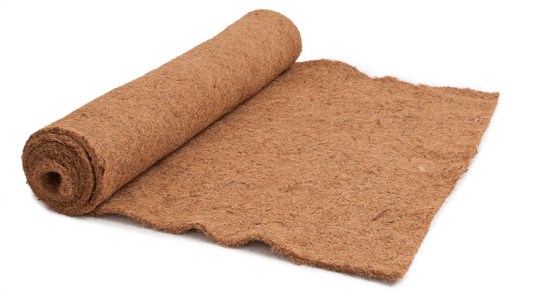
In the quest for sustainable and eco-friendly alternatives, coconut fiber innovations as a versatile and innovative material with immense potential. Derived from the husk of coconuts, this natural fiber has been traditionally used for various purposes, but recent advancements in technology and research have paved the way for exciting innovations. From eco-friendly textiles to agricultural applications, coconut fiber is proving to be a game-changer in the pursuit of a greener and more sustainable future.
Also Read: Several innovations made from coconut fiber only at the coco shade
Coconut Fiber Innovations in a Sustainable Future
The Source and Process of Coconut Fiber Extraction
Coconut fiber innovations, also known as coir or coir fiber, is extracted from the husk of coconuts. The husk, which is the outer layer of the coconut, was once considered a waste product. However, with the growing awareness of environmental issues and the need for sustainable alternatives, coconut fiber has gained prominence.
The extraction process involves several steps. Initially, the coconuts are harvested, and the husk is manually or mechanically separated from the coconut. The husks are then soaked in water for a period to soften them, making it easier to extract the fibers. Afterward, the fibers are extracted mechanically, cleaned, and dried. The resulting coconut fiber is ready to be utilized in various applications.
Eco-Friendly Textiles
One of the most exciting Coconut fiber innovations in the realm of coconut fiber is its application in textile production. Traditional textiles, often derived from synthetic materials, contribute significantly to environmental pollution and waste. Coconut fiber, being a natural and biodegradable material, offers a sustainable alternative.
Coconut fiber textiles are lightweight, breathable, and possess natural anti-bacterial properties. These textiles are increasingly being used in the fashion industry to create eco-friendly clothing. The fibers can be blended with other natural fibers like cotton or silk to enhance their properties and make them suitable for various clothing items.
In addition to clothing, coconut fiber textiles are finding applications in home furnishings. Carpets, rugs, and upholstery made from coconut fiber not only provide a unique aesthetic but also contribute to a healthier indoor environment by reducing allergens and promoting better air quality.
Uses in Agriculture
Coconut fiber innovations are not limited to the fashion industry; they are making significant strides in agriculture as well. Coir, the term used to refer to coconut fiber in its processed form, has become a popular choice as a growing medium in horticulture.
Traditional soil-based agriculture has its drawbacks, including soil erosion, nutrient depletion, and water wastage. Coir-based growing mediums offer a sustainable alternative. These mediums retain moisture efficiently, reducing the need for frequent watering. Furthermore, coir is rich in nutrients, providing an ideal environment for plant growth.
Coconut fiber is also being used in erosion control applications. The natural strength and durability of coir make it an excellent choice for stabilizing soil on slopes and preventing erosion. Coir mats and blankets are laid on the soil surface, providing immediate protection while allowing vegetation to establish and further stabilize the area.
Building Supplies and Construction
As the construction industry seeks more sustainable and environmentally friendly options, coconut fiber innovations are finding their way into building materials. Coconut coir boards, made by compressing coconut fibers with a natural latex binder, are gaining popularity as an alternative to traditional wood-based materials.
Coconut coir boards are lightweight, durable, and have excellent insulation properties. They can be used for various construction purposes, including wall panels, roofing materials, and even as a substitute for plywood. The use of coconut fiber in construction not only reduces reliance on traditional timber resources but also minimizes the environmental impact associated with the manufacturing and disposal of conventional building materials.
Environmental Remediation and Water Filtration
The porous nature of coconut fiber makes it an excellent material for water filtration applications. Activated carbon derived from coconut shells is widely used in water purification processes, effectively removing impurities, toxins, and contaminants from water sources.
Coconut coir is also being explored for its potential in environmental remediation. Its ability to absorb heavy metals and pollutants from soil and water makes it a valuable tool in cleaning up contaminated sites. Researchers are investigating the use of coconut fiber mats and blankets in areas affected by industrial pollution to restore the ecological balance and promote the growth of vegetation.
Obstacles and Things to Think About
While coconut fiber innovations hold immense promise for a sustainable future, there are challenges and considerations that need to be addressed. The demand for coconut products, including fiber, has increased significantly, leading to concerns about the sustainability of coconut farming practices. Uncontrolled harvesting and deforestation for coconut plantations can have adverse effects on ecosystems and biodiversity.
Efforts are underway to promote sustainable coconut farming practices, including agroforestry approaches that integrate coconut cultivation with other crops. Additionally, initiatives to increase the efficiency of coconut fiber extraction processes and recycling methods are crucial in minimizing the environmental footprint associated with coconut-based products.
Conclusion Coconut Fiber Innovations
Coconut fiber innovations are at the forefront of sustainable solutions, offering eco-friendly alternatives across various industries. From textiles to agriculture, construction, and environmental remediation, the versatility of coconut fiber is unlocking new possibilities for a greener and more sustainable future.
As technology and research continue to advance, the potential for coconut fiber to revolutionize industries and contribute to a circular economy is becoming increasingly evident. By harnessing the power of coconut fiber, we can build a more resilient and environmentally conscious world, ensuring that innovation aligns with sustainability for generations to come.
