
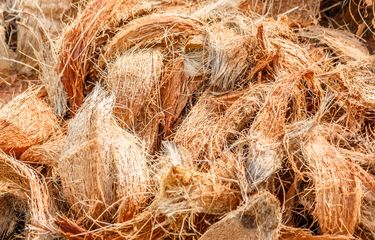
Coconut Fiber Beds, The husk of coconuts is used to make coconut fiber, sometimes referred to as coir. For millennia, this organic substance has been employed across diverse societies for diverse applications, ranging from crafting ropes and rugs to serving as a crucial element in gardening. Since coir is mostly a byproduct of the coconut industry, using it for beds is a sustainable and environmentally beneficial option.
Every element of our life, including our sleeping patterns, is being scrutinized in the pursuit of sustainable and environmentally friendly living. Using coconut fiber bedding is one creative remedy that is becoming more and more well-liked. We will cover all you need to know about coconut fiber beds in this extensive guide, including their history, how they are made, their advantages, and maintenance tips.
Also Read: Coir Rolls Manufacturer
The Origin of Coconut Fiber Beds and Their Benefits
There are various phases involved in getting from coconut husk to a cozy bed. To soften them, the husks are first gathered and steeped in water. The fibers are removed mechanically or manually when they have softened. After being retrieved, the fibers are cleaned and treated to get rid of contaminants. In order to employ the cleaned fibers in mattresses and bedding products, they are then crushed into sheets or molded into the appropriate shape.
Coconut Fiber Bed Advantages
- Sustainability:The sustainable nature of coconut fiber beds is highly praised. Utilizing coir, a byproduct of the coconut industry, contributes to waste reduction and the development of a circular economy. Using a renewable resource, coconut fiber mattresses are in line with eco-conscious living.
- Durability:The tenacity and durability of coconut fiber are well-known. Compared to conventional mattresses, coconut fiber mattresses often last longer and offer durable comfort and support.
- Hypoallergenic Properties:Natural hypoallergenic qualities are possessed by coconut fibers. For those who suffer from allergies or asthma, coconut fiber beds are a great option because of their resistance to dust mites and other allergens.
- Firm Support:Mattresses made of coconut fibers provide a firm support that is good for maintaining healthy spinal alignment. Those who have back problems or who want a firmer sleeping surface may find this to be especially helpful.
- Moisture Wicking: A dry and cozy sleeping environment is facilitated by the moisture-wicking qualities of coconut fibers. Because it keeps moisture from building up in the mattress, this feature is especially helpful in humid conditions.
Coconut Fiber Bed Types
- Mattresses constructed completely of coconut coir: These mattresses offer a solid and supportive sleeping surface. For extra comfort, they are frequently used with other natural materials like latex.
- Coconut Coir Toppers: These are an excellent alternative for individuals who wish to reap the advantages of coconut fiber without having to replace their current mattress. These mattress toppers provide your current mattress an extra layer of support and hardness.
- Hybrid Mattresses: To develop hybrid mattresses, several manufacturers mix coconut coir with latex or memory foam. The goal of these mattresses is to achieve a balance between the contouring comfort of other materials and the hardness of coconut coir.
How to Pick a Reputable Coconut Fiber Mattress
- Firmness Level: When it comes to the firmness of your mattress, take your own preferences into account. You may want to look into hybrid options if you like a softer feel, as coconut fiber beds generally provide a firm sleeping surface.
- Sleeping Position: The kind of coconut fiber bed that works best for you may depend on how you like to sleep. Although side sleepers might prefer a hybrid mattress for additional cushioning, back and stomach sleepers frequently value the strong support of coconut fiber.
- Allergies and Sensitivities: The hypoallergenic qualities of coconut fiber may play a big role in your choice if you have any of these conditions. Make sure the mattress cover is composed of hypoallergenic, natural materials as well.
- Budget: There is a range of prices for coconut fiber beds. Examine possibilities within your budget after taking it into consideration. Remember that spending money on a high-quality mattress is an investment in your wellbeing.
How to Maintain Your Bed of
- Frequent Rotation: Turn your coconut fiber mattress every few months to guarantee uniform wear and preserve its shape. This is particularly crucial for mattresses that are single-sided.
- Use a Mattress Protector: A mattress protector will shield your coconut fiber mattress from dust, spills, and stains. To keep the airflow of the mattress intact, go for a natural, breathable material.
- Steer clear of Moisture: Although coconut fiber wicks away moisture, too much of it can still compromise its effectiveness. Maintain a dry and well-ventilated mattress.
- Sun Exposure: To assist remove moisture and stop the growth of mold or mildew, periodically expose your coconut fiber mattress to sunlight. This is particularly crucial in humid environments.
- Observe Manufacturer Guidelines: Consistently adhere to the mattress manufacturer’s care recommendations. Certain coconut fiber mattresses could have particular upkeep and cleaning needs.
Common Misconceptions About Coconut Fiber Beds
- Too Firm for Comfort: Although coconut fiber beds are supposed to be firm, some people are under the impression that they are not comfortable. The secret is to select the ideal degree of hardness according to your sleeping preferences and routine.
- Restricted possibilities: It’s a common misperception that the possibilities available in coconut fiber beds are limited. As a matter of fact, there are numerous varieties and arrangements, such as hybrid mattresses that blend coconut coir with additional materials.
- Not Suitable for Allergies: A common misconception is that natural materials might cause allergic reactions. Conversely, anyone with allergies or sensitivities will find coconut fiber to be a great option due to its hypoallergenic qualities.
Environmental Impact of Coconut Fiber Beds
- Reduced trash: The mattress industry helps to cut down on trash from the coconut industry by using the husks from coconuts. This is consistent with the circular economy’s tenets, which advocate using byproducts rather than discarding them.
- Renewable Resource: Compared to certain other mattress materials, the production of coconuts has less of an impact on the environment. Coconut fiber’s sustainability increases its allure to people who care about the environment.
- Biodegradability: Coconut fiber is biodegradable, which means that it will naturally decompose at the end of its life without endangering the environment. In contrast, synthetic materials have the potential to add to garbage in landfills.
Conclusion
A harmonious combination of comfort, sustainability, and health advantages can be found in coconut fiber beds. Coconut fiber beds have gained popularity among eco-conscious consumers, owing to their sophisticated manufacturing procedures that produce comfortable sleeping surfaces, as well as their humble beginnings in coconut husks. You can choose wisely to add a bit of natural luxury to your bedroom by being aware of the types, advantages, and appropriate maintenance methods. With a coconut fiber bed, you can welcome the era of sustainable sleep and make a positive impact on the environment while getting a good night’s sleep.
