
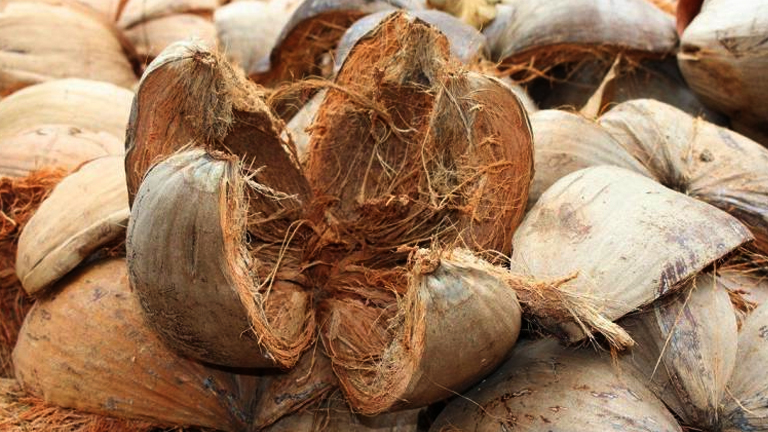
Coconut coir benefits, also known as coconut fiber, is a natural byproduct derived from the husk of coconuts. Renowned for its versatility, sustainability, and eco-friendly properties, coconut coir offers a multitude of benefits across various industries and applications.
From agriculture and gardening to construction and environmental conservation, the widespread use of coconut coir underscores its significance as a valuable resource.
In this article, we will delve into the diverse benefits of coconut coir and its role in promoting sustainability and innovation.
Coconut Coir Benefits
1. Sustainable Agriculture and Gardening:
a. Growing Medium: Coconut coir serves as an excellent alternative to traditional soil as a growing medium for plants. Its fibrous texture allows for optimal water retention and aeration, promoting healthy root development and plant growth. Coir is widely used in hydroponic systems, nurseries, and container gardening for growing fruits, vegetables, herbs, and ornamental plants.
b. Soil Amendment: When mixed with soil, coconut coir enhances soil structure, improves drainage, and adds organic matter to the soil. It helps to create a nutrient-rich environment conducive to plant growth while reducing the risk of soil compaction and erosion.
c. Erosion Control: Coir erosion control products, such as mats, logs, and blankets, are used to prevent soil erosion in slopes, embankments, and coastal areas. These biodegradable materials provide temporary stabilization, allowing vegetation to take root and stabilize the soil over time.
2. Sustainable Construction and Building Materials:
a. Insulation: Coconut coir fibers are used as an eco-friendly insulation material in buildings and construction projects. Coir insulation offers thermal resistance, sound absorption, and moisture control properties, contributing to energy efficiency and indoor comfort.
b. Biodegradable Products: Coir-based products, including panels, boards, and blocks, are utilized for acoustic insulation, wall cladding, and sustainable packaging solutions. These biodegradable materials reduce reliance on synthetic and non-renewable resources, minimizing environmental impact and waste generation.
3. Environmental Conservation and Restoration:
a. Wetland Restoration: Coconut coir mats and rolls are employed in wetland restoration projects to stabilize shorelines, enhance habitat diversity, and prevent sediment erosion. Coir erosion control products provide natural erosion control and serve as a substrate for native vegetation establishment.
b. Habitat Enhancement: Coir fiber is used in the construction of wildlife habitats, nesting materials for birds, and erosion-resistant structures for aquatic habitats. Its biodegradable nature and non-toxic properties make it a preferred choice for enhancing biodiversity and ecosystem resilience.
4. Water Filtration and Waste Management:
a. Water Filtration: Coconut coir acts as a natural filter media for removing impurities, sediment, and contaminants from water sources. Coir filters are cost-effective, renewable, and environmentally friendly alternatives to conventional filtration systems, contributing to clean water supply and quality.
b. Composting and Waste Recycling: Coir fiber is an essential component in composting processes, aiding in moisture retention, aeration, and decomposition of organic waste materials. Coir-based composting solutions help divert organic waste from landfills, reduce greenhouse gas emissions, and promote nutrient cycling in soils.
5. Horticultural and Landscaping Applications:
a. Mulching and Weed Suppression: Coconut coir mulch is widely used in horticulture and landscaping to conserve soil moisture, suppress weed growth, and maintain soil temperature. Coir mulch is lightweight, easy to apply, and biodegradable, making it a sustainable choice for gardeners and landscapers.
b. Seed Starting and Plant Propagation: Coir-based seed starting mixes and propagation substrates provide a sterile, uniform, and nutrient-rich environment for germinating seeds and rooting cuttings. Coir pellets, discs, and pots facilitate seedling establishment and transplant success in nurseries and home gardens.
Conclusion:
In conclusion, coconut coir emerges as a sustainable wonder material with diverse applications and environmental benefits across multiple sectors. From agriculture and construction to environmental conservation and horticulture, the versatility and eco-friendly properties of coconut coir make it an invaluable resource in promoting sustainability and innovation.
As awareness of environmental stewardship and resource conservation continues to grow, coconut coir stands out as a renewable and biodegradable alternative to traditional materials. Its widespread availability, low environmental impact, and myriad applications underscore its role as a sustainable solution for addressing modern challenges and promoting a greener future.
Coir rolls are cylindrical structures made from natural coconut fiber, also known as coir. Coir is a versatile material derived from the husks of coconuts.
These rolls are commonly used in landscaping and erosion control projects. They are often wrapped in biodegradable netting to hold the coir fibers together and provide structural integrity.
Coir rolls are typically used in erosion control applications such as stabilizing riverbanks, slopes, or shorelines
