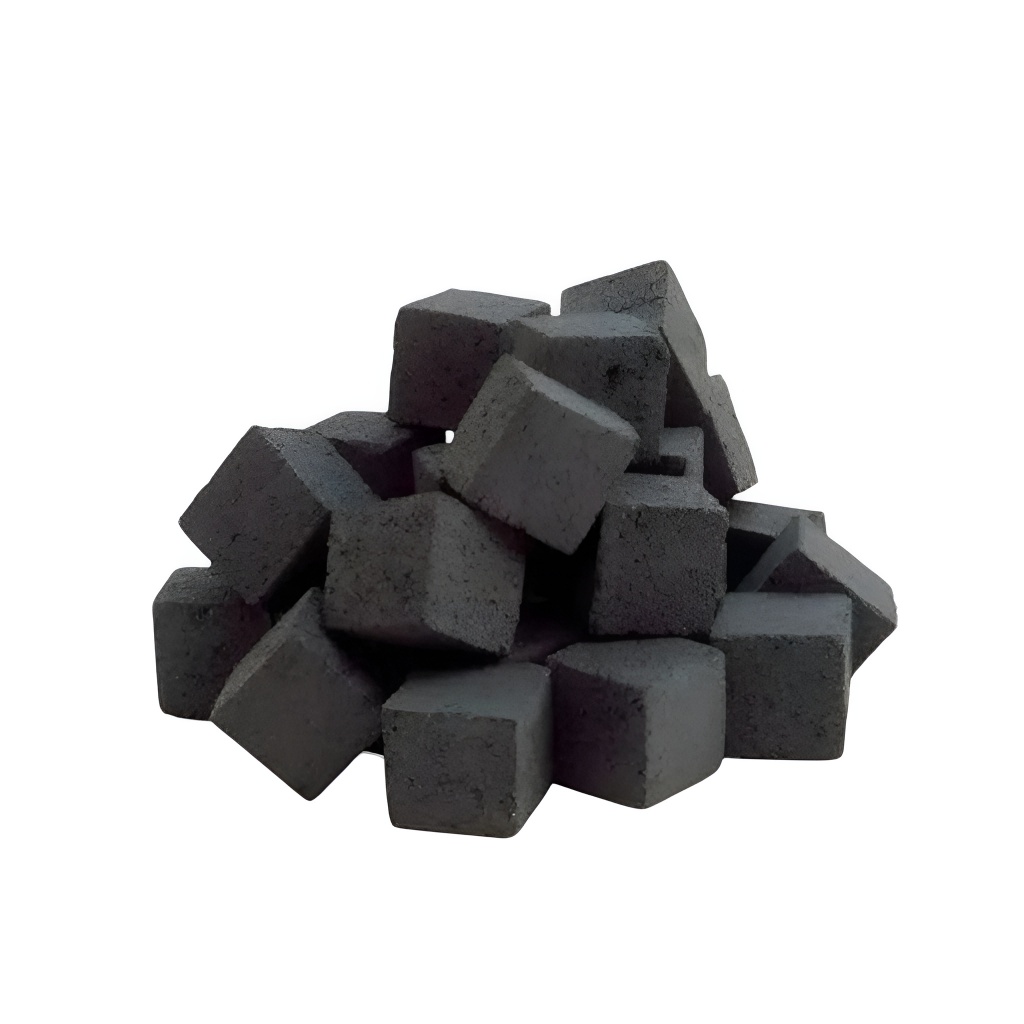
How to make coconut shell charcoal cubes becomes an important topic for producers seeking high quality briquette products. Many businesses focus on efficient and sustainable production methods. Therefore, understanding each step improves product consistency. Moreover, proper techniques increase market competitiveness.
Coconut shells provide excellent raw materials for charcoal manufacturing. They contain high natural carbon content. As a result, the final briquettes burn longer and cleaner. In addition, producers transform agricultural waste into valuable energy sources.
How to Make Coconut Shell Charcoal Cubes Step by Step
How to make coconut shell charcoal cubes starts with selecting dry coconut shells. First, clean the shells from dirt and moisture. Then, place them inside a controlled carbonization chamber. Consequently, limited oxygen converts shells into charcoal.
Next, monitor the carbonization temperature carefully. Proper heat control prevents incomplete combustion. Therefore, producers achieve higher fixed carbon levels. After burning, allow the charcoal to cool naturally. This process maintains structural quality.
Furthermore, crush the charcoal into fine powder. Sift the powder to remove impurities. As a result, you obtain uniform raw material for briquette formation.
Producing High Density Charcoal Cubes for Better Performance
How to make coconut shell charcoal cubes with high density requires mixing charcoal powder with natural binders. First, add a small percentage of food grade binder. Then, mix thoroughly until the texture becomes consistent. Consequently, the mixture becomes ready for molding.
Next, press the mixture using hydraulic machines. High pressure ensures compact and uniform cube shapes. Therefore, each cube burns evenly during use. After pressing, dry the cubes under sunlight or industrial dryers.
Low moisture content improves ignition speed. Moreover, it reduces smoke during combustion. Many buyers prefer Coconut charcoal cubes because the cube shape supports balanced heat distribution. As a result, grilling and hookah sessions become more efficient.
Quality Control in How to Make Coconut Shell Charcoal Cubes
How to make coconut shell charcoal cubes successfully depends on strict quality control. First, test fixed carbon percentage regularly. Higher carbon ensures longer burning duration. Second, measure ash content carefully. Lower ash improves cleanliness and airflow stability.
In addition, evaluate briquette hardness and durability. Strong cubes resist breakage during transportation. Furthermore, check moisture levels before packaging. Low moisture guarantees stable combustion.
Producers who maintain these standards gain international trust. Consequently, they secure long term export partnerships.
Market Opportunities and Reliable Supply
Global industries require sustainable and consistent fuel sources. Therefore, high quality coconut briquettes attract restaurants and distributors.
You can explore premium export grade products at jacoid.com. The company provides detailed specifications and professional manufacturing standards. Moreover, jacoid.com focuses on consistent density and low moisture production. As a result, buyers receive reliable and competitive products.
Strong supplier partnerships ensure steady supply chains. Consequently, businesses maintain operational stability and growth.
Conclusion
How to make coconut shell charcoal cubes involves controlled carbonization, proper mixing, and high pressure molding. Each step determines final product quality. Moreover, strict quality control ensures long lasting and efficient fuel performance. Therefore, producers who follow professional standards can succeed in competitive global charcoal markets.