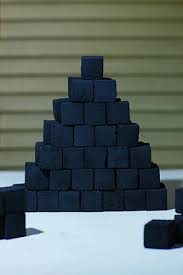
Coconut activated charcoal cubes offer premium quality fuel and filtration material for various industries. Many producers now focus on this high demand product. Therefore, understanding production and market value becomes essential. Moreover, proper processing increases durability and performance consistency.
Manufacturers create these cubes from selected coconut shells. They carbonize shells under controlled temperatures. As a result, the material develops strong carbon structure. In addition, activation enhances absorption capability and purity.
Coconut Activated Charcoal Cubes Production Process
Coconut activated charcoal cubes require careful raw material preparation. First, producers clean and dry coconut shells thoroughly. Then, they carbonize the shells with limited oxygen supply. Consequently, the shells convert into high carbon charcoal.
After carbonization, producers activate the charcoal using steam or chemical methods. This step increases surface area significantly. Therefore, the product gains improved absorption performance. Moreover, activation removes remaining impurities effectively.
Next, crush the activated charcoal into fine powder. Sift the powder to maintain uniform particle size. As a result, the mixture becomes ready for cube formation.
Molding and Drying Process for Optimal Density
Coconut activated charcoal cubes need proper molding to achieve consistent density. First, mix charcoal powder with natural binders carefully. Then, press the mixture using high pressure machines. Consequently, each cube forms with strong structure.
After pressing, dry the cubes under controlled conditions. Low moisture ensures efficient burning and storage stability. Furthermore, consistent drying prevents cracks or deformation. As a result, the final product maintains professional quality standards.
Many entrepreneurs research how to make coconut shell charcoal cubes before entering this industry. Proper knowledge supports better manufacturing decisions. Moreover, understanding production stages improves overall product value. Therefore, businesses can compete effectively in global markets.
Market Opportunities for Coconut Activated Charcoal Cubes
Coconut activated charcoal cubes serve multiple industries. First, they function as premium grilling and hookah fuel. In addition, they support air and water filtration systems. Consequently, demand remains strong across different sectors.
Furthermore, eco friendly production increases product appeal. Coconut shells represent renewable agricultural waste. Therefore, sustainable sourcing strengthens brand reputation. Many international buyers prefer environmentally responsible suppliers.
Entrepreneurs can explore business strategies at bisnisusahaonline.com The platform provides insights into online marketing and product distribution. Consequently, suppliers can broaden market exposure and connect with international buyers more effectively.
Essential Production and Inspection Standards
Producers must test fixed carbon content regularly. Higher carbon ensures better burning performance. Additionally, measure moisture levels before packaging. Low moisture supports long term storage stability.
Next, evaluate cube hardness and density carefully. Strong cubes resist breakage during transportation. Furthermore, check ash content to maintain clean combustion. As a result, customers receive reliable and premium grade products.
Consistent quality control builds long term buyer trust and strengthens overall brand credibility. Consequently, businesses secure repeat orders and sustainable export partnerships worldwide.
Conclusion
Coconut activated charcoal cubes provide versatile, sustainable, and high value solutions for global industries. Proper production ensures strong structure and effective performance. Moreover, strategic marketing and quality control strengthen business growth. Therefore, suppliers who focus on excellence can succeed in competitive international markets.