
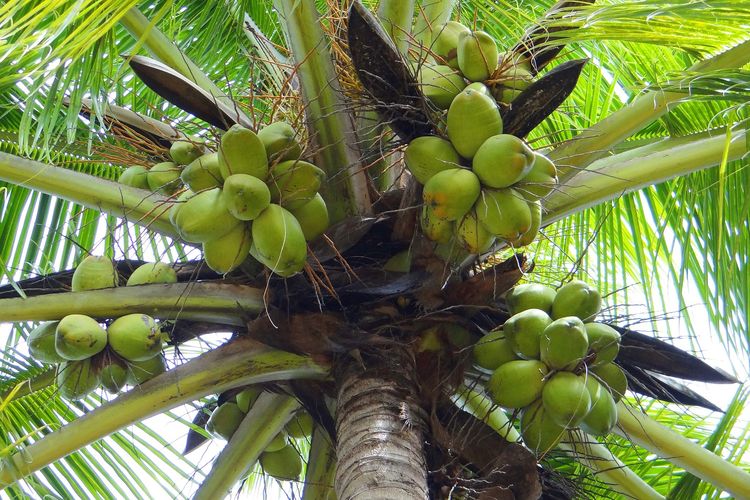
Coconut tree cultivation is an ancient practice deeply embedded in the cultural and agricultural fabric of tropical regions worldwide. Revered for its multifaceted benefits and resilience, the coconut tree (Cocos nucifera) holds a special place in the hearts and livelihoods of millions of people across the globe.
From providing sustenance and shelter to supporting local economies and ecosystems, coconut cultivation stands as a testament to the enduring bond between humanity and nature. In this article, we explore the intricacies of coconut tree cultivation, its significance, methods, and impacts on agriculture and society.
Coconut Tree Cultivation
Significance of Coconut Tree Cultivation:
The coconut tree is often hailed as the “tree of life” for its myriad uses and contributions to human well-being. Here’s a glimpse of its significance:
1. Versatility:
Every part of the coconut tree serves a purpose, from the nutritious coconut fruit to the sturdy trunk, fibrous husk, and palm leaves used in various applications such as thatching, weaving, and construction.
2. Nutritional Value:
Coconuts are a rich source of nutrition, providing coconut water, coconut meat, and coconut oil packed with essential vitamins, minerals, and healthy fats.
3. Economic Livelihoods:
Coconut cultivation supports livelihoods and economies in tropical regions, providing income and employment opportunities for farmers, laborers, artisans, and industries involved in coconut processing and trade.
4. Environmental Benefits:
Coconut trees play a crucial role in environmental conservation by preventing soil erosion, enhancing biodiversity, sequestering carbon dioxide, and providing ecosystem services such as shade and habitat for diverse plant and animal species.
Methods of Coconut Tree Cultivation:
Coconut tree cultivation typically involves the following methods:
1. Seed Propagation:
Coconuts are propagated through seeds, which are the mature fruits harvested from existing coconut trees. The seeds are germinated by soaking them in water or planting them directly in the soil.
2. Planting and Spacing:
Germinated coconut seeds are planted in well-drained sandy or loamy soils with adequate sunlight and spacing to allow for proper growth and development. The ideal spacing between coconut trees depends on factors such as soil fertility, climate, and management practices.
3. Care and Management:
Successful coconut tree cultivation requires proper care and management practices, including irrigation, fertilization, weed control, pest and disease management, and regular monitoring of tree health and productivity.
Economic Impacts of Coconut Cultivation:
Coconut cultivation has significant economic implications for both local and global economies:
1. Export Revenue Coconut Tree :
Coconut products such as copra, coconut oil, desiccated coconut, and coconut-based derivatives contribute to export earnings in countries like the Philippines, Indonesia, India, Sri Lanka, and Thailand.
2. Employment Generation:
Coconut cultivation generates employment opportunities across the value chain, from farming and harvesting to processing, packaging, marketing, and distribution.
3. Value Addition:
Value-added coconut products such as coconut water, coconut milk, coconut sugar, coconut flour, and coconut-based cosmetics cater to diverse consumer demands, creating opportunities for entrepreneurship, innovation, and value addition.
4. Sustainable Development:
Coconut cultivation promotes sustainable agriculture, rural development, poverty alleviation, and food security, particularly in rural and coastal communities dependent on coconut farming for their livelihoods.
Challenges and Future Prospects:
While coconut cultivation offers numerous benefits, it also faces several challenges and opportunities for improvement:
1. Pest and Disease Pressure:
Coconut palms are susceptible to pests, diseases, and pathogens such as coconut mites, beetles, lethal yellowing disease, and coconut rhinoceros beetle, which can devastate coconut plantations if not properly managed.
2. Climate Change Vulnerability:
Rising temperatures, erratic rainfall patterns, and extreme weather events pose risks to coconut cultivation, impacting yields, quality, and resilience.
3. Market Dynamics:
Fluctuations in global market prices, trade policies, and consumer preferences can affect the economic viability and competitiveness of coconut-based products, highlighting the need for diversification, value addition, and market access.
4. Research and Innovation:
Investing in research, innovation, and technology transfer can enhance coconut productivity, resilience, and value chain efficiency, addressing challenges and harnessing opportunities for sustainable coconut cultivation and rural development.
Conclusion:
In conclusion, coconut tree cultivation embodies a harmonious relationship between humanity and nature, rooted in tradition, sustainability, and resilience. As we navigate the complexities of the 21st century, coconut cultivation holds immense promise as a pathway towards sustainable agriculture, economic prosperity, and environmental stewardship.
By embracing innovation, collaboration, and best practices, stakeholders can unlock the full potential of coconut cultivation to nourish people, empower communities, and safeguard the planet for generations to come. Together, let us cultivate the seeds of prosperity and abundance in the fertile soils of coconut landscapes, harnessing nature’s bounty for the benefit of all.
Discussing Coconut tree cultivation, maybe you should also know about Coir Rolls Manufacturers. Coir roll manufacturers generally make coconut fiber rolls for various purposes, such as coconut fiber is often used as a material for making mattresses because of its natural and elastic properties.
Coconut fiber is also used in the construction industry as an insulating material, filler, or even as a building material mixture.
