
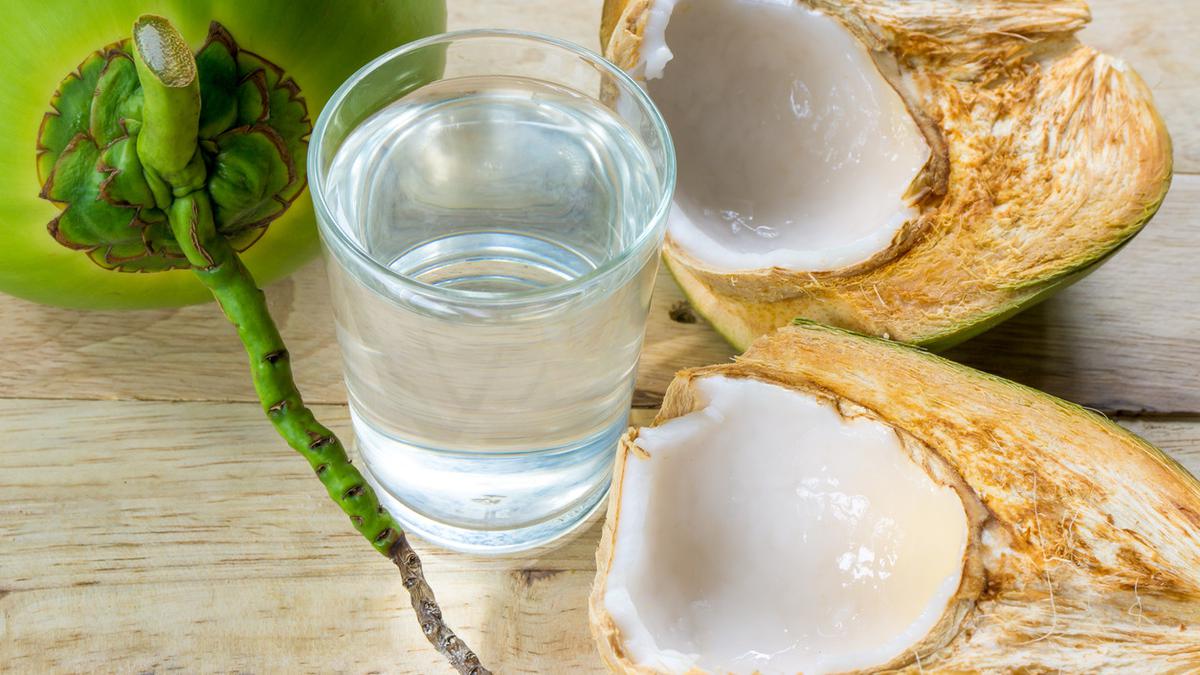
How to make coconut water, Coconut water often referred to as nature’s hydrating elixir, is a refreshing and nutrient-rich beverage extracted from the young, green coconuts of the coconut palm tree.
Known for its naturally sweet taste and replenishing properties, coconut water has gained popularity as a healthy alternative to sugary beverages and sports drinks.
While readily available in stores, making coconut water at home allows you to enjoy the freshest and purest form of this tropical delight. In this comprehensive guide, we’ll explore the step-by-step process of making coconut water from fresh coconuts, ensuring a delicious and rejuvenating outcome.
How to make coconut water
Understanding Coconut Water:
Before we delve into the art of making coconut water, let’s uncover the significance and nutritional benefits of this tropical beverage:
a. Natural Electrolytes:
Coconut water is rich in electrolytes such as potassium, sodium, and magnesium, making it an excellent choice for replenishing fluids and minerals lost during physical activity or dehydration.
b. Hydration:
With its high water content and low calories, coconut water is a hydrating beverage that helps maintain fluid balance and supports overall hydration.
c. Vitamins and Minerals:
Coconut water contains essential vitamins, minerals, and antioxidants that promote overall health and well-being, including vitamin C, calcium, and manganese.
Step-by-Step Guide to Making Coconut Water:
Step 1: Selecting Fresh Coconuts:
Choose young, green coconuts that feel heavy and are free from cracks or blemishes. Young coconuts contain more water and have softer shells, making them easier to open and extract the water.
Step 2: Preparing Your Workspace:
Set up a clean and spacious workspace equipped with the necessary tools and utensils for opening and extracting coconut water. Ensure that all surfaces and utensils are clean and sanitized to prevent contamination.
Step 3: Opening the Coconuts:
Using a sturdy cleaver or a coconut knife, carefully strike the pointed end of the coconut to create a small opening. Take caution to avoid injuring yourself during this process. Repeat the process for each coconut until you have opened them all.
Step 4: Draining the Coconut Water:
Hold the opened coconut over a clean bowl or container, allowing the water to drain out completely. Strain the coconut water through a fine mesh sieve or cheesecloth to remove any debris or coconut particles.
Step 5: Filtering the Coconut Water:
For optimal clarity and purity, filter the strained coconut water through a fine mesh sieve or a coffee filter. This step helps remove any remaining impurities or sediment, resulting in a clear and refreshing beverage.
Step 6: Storing the Coconut Water:
Transfer the freshly extracted coconut water into clean glass bottles or jars with tight-fitting lids. Store the coconut water in the refrigerator to keep it cool and fresh. Consume the coconut water within a few days for the best taste and quality.
Step 7: Optional Flavor Enhancements:
If desired, you can enhance the flavor of the coconut water by adding natural flavorings such as fresh lime or lemon juice, mint leaves, or a splash of fruit juice. Experiment with different combinations to create your own signature coconut water blends.
Step 8: Enjoying Your Homemade Coconut Water:
Your homemade coconut water is now ready to be enjoyed! Serve it chilled over ice for a refreshing beverage on a hot day, or incorporate it into smoothies, cocktails, and mocktails for added tropical flair.
Tips for Perfect Coconut Water:
-Choose Fresh Coconuts: Opt for young, green coconuts with intact husks for the freshest and highest-quality coconut water.
-Sanitize Utensils: Ensure that all tools and utensils used in the coconut water extraction process are clean and sanitized to prevent contamination.
-Strain and Filter: Strain the coconut water through a fine mesh sieve or cheesecloth to remove any debris or particles, and filter it for optimal clarity.
-Store Properly: Store the coconut water in clean glass bottles or jars in the refrigerator to maintain freshness and prevent spoilage.
-Experiment with Flavorings: Get creative with flavor enhancements by adding fresh fruits, herbs, or spices to customize the taste of your coconut water.
Conclusion:
Making coconut water at home is a simple and rewarding process that allows you to enjoy the pure and refreshing taste of nature’s hydrating elixir. By following this step-by-step guide and incorporating your own creative twists, you can produce homemade coconut water that rivals the quality of store-bought varieties.
Whether enjoyed straight from the coconut or infused with natural flavorings, homemade coconut water is a delicious and nourishing beverage that quenches thirst and revitalizes the body. So, roll up your sleeves, crack open some coconuts, and embark on a journey of pure refreshment with homemade coconut water as your ultimate thirst quencher.
Discussing how to make coconut Chutney, maybe you should also know about Coir Rolls Manufacturers. Coir roll manufacturers generally make coconut fiber rolls for various purposes, such as coconut fiber is often used as a material for making mattresses because of its natural and elastic properties.
Coconut fiber is also used in the construction industry as an insulating material, filler, or even as a building material mixture.
