
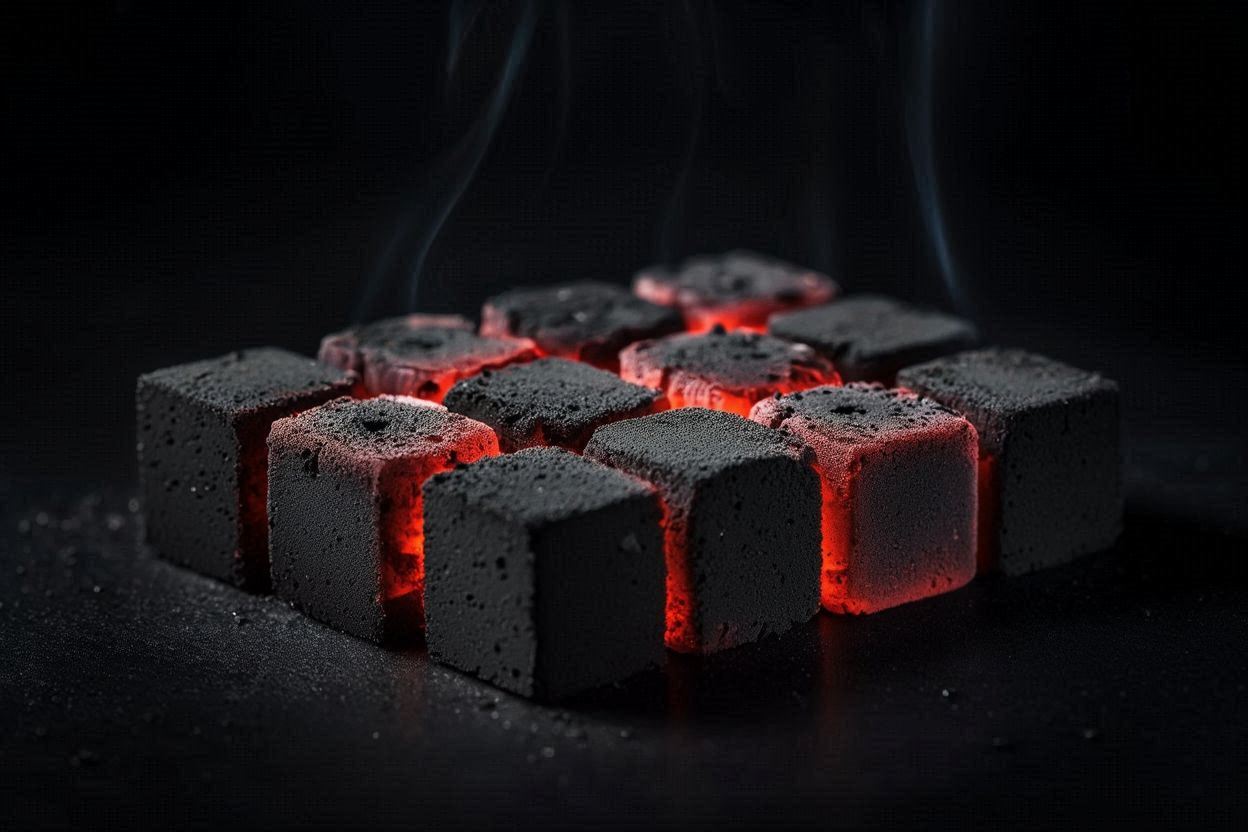
Indonesia is widely known as one of the largest producers of charcoal briquettes, especially those made from coconut shells. With the growing global demand for sustainable fuel, many suppliers are expanding their businesses into export markets. Understanding the Indonesia briquette supplier export guide is essential for suppliers who want to compete internationally and build long-term partnerships.
Exporting briquettes requires more than just supplying products. It involves maintaining consistent quality, meeting legal requirements, and managing logistics effectively. By following a structured approach, suppliers can improve efficiency and gain trust from global buyers.
Indonesia Briquette Supplier Export Guide for Beginners
For new suppliers, the first step is understanding the market. Different countries have varying standards, preferences, and regulations. Conducting proper market research will help you identify potential buyers and position your products competitively.
Learning from reliable resources such as how to export briquettes from indonesia can provide a clear understanding of the export process. This will help suppliers avoid common mistakes and prepare for international trade.
Legal Requirements for Briquette Suppliers
Legal compliance is a critical part of exporting. Suppliers must register their business and obtain a Business Identification Number along with an export license. These documents are required for customs clearance and international transactions.
In addition, suppliers need to prepare export documents such as a commercial invoice, packing list, and bill of lading. Ensuring that all paperwork is accurate and complete will help prevent delays and ensure smooth shipping.
Product Quality in Indonesia Briquette Supplier Export Guide
Maintaining consistent quality is one of the most important aspects of the Indonesia briquette supplier . Buyers expect briquettes with low ash content, long burning time, and minimal smoke. These features are especially important for premium markets like shisha and barbecue.
To increase buyer confidence, suppliers can showcase their products through trusted platforms like coconut shell charcoal briquettes. Providing clear specifications and professional presentation will help attract long-term clients.
Quality control should be implemented throughout the production process. Regular testing and proper packaging ensure that products meet international standards and arrive safely.
Shipping and Logistics for Briquette Suppliers
Shipping is a key component of exporting briquettes. Due to their volume and weight, briquettes are usually transported via sea freight. Suppliers can choose between Full Container Load and Less than Container Load depending on order size.
Working with an experienced freight forwarder can simplify logistics. They assist with cargo booking, documentation, and customs clearance. Efficient logistics ensure timely delivery and improve customer satisfaction.
Building Strong Buyer Relationships
Strong relationships with buyers are essential for long-term success. Suppliers should focus on clear communication, consistent product quality, and reliable delivery.
Following the Indonesia briquette supplier export guide consistently will help suppliers build trust and secure repeat orders. Professionalism and responsiveness are key factors in maintaining successful partnerships.
Conclusion on Indonesia Briquette Supplier Export Guide
Understanding the Indonesia briquette supplier export guide is essential for suppliers who want to succeed in the global market. From legal compliance and documentation to product quality and logistics, each step plays an important role in ensuring smooth export operations.
With proper planning and execution, suppliers can take advantage of Indonesia’s strong position in the briquette industry and expand their business internationally.
