
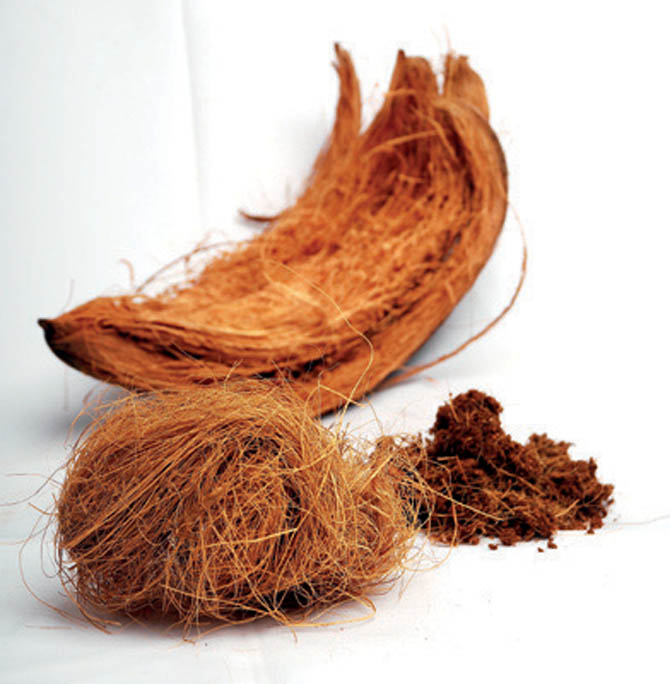
Coconut Husk Fiber is a fantastic answer that has developed in the search for eco-friendly and sustainable alternatives. It is a significant resource that can be used in a variety of sectors. This natural fiber, which is derived from the coconut’s outer layer, is well-known for its durability, environmental friendliness, and variety of uses. This article explores the unique qualities, production method, and several applications of coconut husk fiber that are transforming various sectors worldwide.
also read: Coco Shade
The History of Fiber from Coconut Husk
Husk of Coconuts The husk, or outer covering that covers the seed of coconuts, is used to extract fiber, sometimes referred to as coir. Traditionally, this fibrous material was regarded as waste and was frequently burned or thrown away after the coconut’s meat and water were removed. But as sustainability gained prominence across a range of sectors, the potential of coconut husks was reassessed, which sparked the creation of creative methods to handle and make use of this natural resource.
A. The Process of Harvesting Coconut Husk Fiber
The Coconut Husk’s trip When coconuts are harvested, fiber production starts. Commonly prevalent in tropical areas, coconut trees are grown for their fruit. In order to preserve the husk, coconuts are carefully plucked once they reach ripeness. The process of extracting fiber from the coconut begins when the husks are separated from it.
B. Extracting Fibers
A vital first step in maximizing the advantages of coconut husks is fiber extraction. In the past, workers had to physically extract the fibers from the husk during this operation. But newer technologies have brought more effective techniques, like retting procedures and mechanical decortication. These techniques lessen the negative effects of physical work on the environment while simultaneously increasing productivity.
Features of Fiber from Coconut Husk
The numerous distinctive qualities of coconut husk fiber lead to its broad appeal and versatility in a variety of sectors.
A. Sustainability and Biodegradability
The biodegradability of coconut husk fiber is one of its most noteworthy qualities. Coconut husk fibers naturally break down, reducing their ecological footprint compared to synthetic materials that can linger in the environment for millennia. Because coconut palms grow well in a variety of climates and require little in the way of chemical inputs, its agriculture is also comparatively sustainable.
B. Strong Tensile Elasticity
Because of its remarkable tensile strength, coconut husk fiber is a robust and long-lasting material. The natural lignin, cellulose, and hemicellulose content of the fibers is responsible for their strength. Because of this, goods constructed using coconut husk fibers are long-lasting and dependable despite a variety of adversities.
C. Sustaining Wetness Coconut Husk Fiber
One of the main reasons coir is used in horticulture is its capacity to hold moisture. Because of their great capacity to retain water, the fibers are a great option for landscaping, agricultural applications, and the prevention of soil erosion. This quality is especially helpful in dry areas where conserving water is essential for farming that is sustainable.
D. Ability to Withstand Rot and Decay
Coconut Husk Fiber’s composition inhibits the growth of bacteria and fungi, giving it a natural resistance to rot and decay. Because of its resistance, it’s a great option for outdoor uses like erosion control, landscaping, and eco-friendly building materials.
Uses for Coconut Husk Fiber
Coconut Husk Fiber’s many uses in a variety of industries, including building and agriculture, attest to its adaptability. There are always new use for this natural resource being found as advancements keep coming.
A. Plantation and Orchards
Because of its ability to retain moisture, coir is now considered essential in both the horticultural and agricultural industries. It is frequently used to potting mixes and soil amendments to improve soil aeration and water retention. Coir liners and mats are also used in erosion management, offering a long-term defense against soil deterioration.
B. The Textile Sector
Coconut Husk Fiber is being accepted by the textile industry as a natural substitute for synthetic materials. Mats, rugs, and ropes are among the textiles made from coir fibers. These goods support the industry’s transition to sustainable practices in addition to providing a distinctive and natural appeal.
C. Building and Geotextiles
Fibers from coconut husks are becoming more and more common as reinforcing materials in the building industry. For example, coir geotextiles are an eco-friendly substitute for synthetic geotextiles and are utilized for slope stabilization and erosion prevention. Because of their great tensile strength and resistance to deterioration, the fibers are a beneficial addition to building materials and help to promote sustainability in the building sector.
D. Manufacturing and Automobiles
The automotive sector has adopted coconut husk fiber as a natural substitute in production procedures. Coir products offer an environmentally beneficial and sustainable alternative for anything from seat cushions to automotive interiors. In the automobile industry, coconut husk fibers’ resilience and low weight also help to reduce fuel use.
E. Lifestyle and Home Goods
Coconut Husk Fiber is a popular option for many home and lifestyle goods because of its inherent beauty and robustness. Products made of coir, like doormats, rugs, and upholstery, highlight the adaptability of this environmentally beneficial material and appeal to customers who place a high value on sustainability.
Difficulties and Opportunities for the Future
Even though Coconut Husk Fiber has advanced significantly across a range of industries, there are still problems and room for development.
A. Chemical Processing
Chemicals are frequently used in the cleaning and treatment stages of the coconut husk fiber production process. The need for chemical-free and organic products is growing, so it’s critical to discover sustainable alternatives to these methods. Eco-friendly procedures are being investigated by researchers and industry specialists to reduce the environmental impact of coir manufacturing.
B. Availability in the Market
Coconut Husk Fiber has several advantages, although accessibility issues exist in some areas. In order to guarantee that the advantages of this natural resource are available to everyone on the planet, initiatives are being made to support sustainable farming methods and enhance the infrastructure for coir production.
C. Research and Innovation
The ongoing research and development in the field of Coconut Husk Fiber present exciting possibilities for future applications. Scientists are exploring ways to enhance the properties of coir and discover new uses for this versatile material, further solidifying its position as a sustainable alternative in various industries.
Conclusion Coconut Husk Fiber
The ability of renewable, natural resources to help create a sustainable future is demonstrated by the use of coconut husk fiber. Coir has established its value in a variety of industries, from its modest beginnings as a byproduct of processing coconuts to its current standing as a valuable and adaptable material. As sustainability becomes more and more important to the world community, Coconut Husk Fiber will probably become more and more important in helping us become less dependent on synthetic materials and in creating a world that is greener and more environmentally conscious.
