
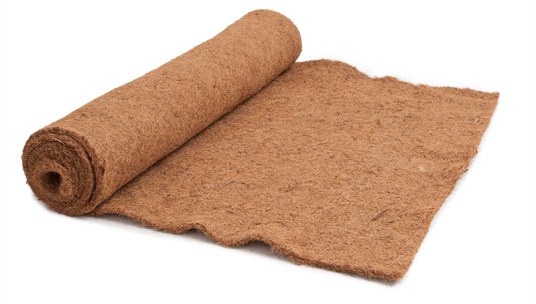
Coconut fiber pots, often referred to as coir pots, are crafted from the fibrous husk surrounding the coconut seed. This process involves extracting the fibers from the husk, followed by molding them into pot shapes using biodegradable binders. Unlike plastic pots, coconut fiber pots are entirely organic and decompose naturally, making them an eco-friendly choice for environmentally conscious gardeners.
In the ever-evolving world of gardening, enthusiasts are constantly seeking eco-friendly alternatives that not only benefit their plants but also contribute to sustainability. One such innovation that has gained immense popularity is the use of coconut fiber pots. These pots, derived from the husk of coconuts, offer a multitude of advantages over traditional containers, ranging from environmental benefits to enhanced plant growth. In this comprehensive guide, we will explore the various facets of coconut fiber pots, from their production process to their application in different gardening scenarios.
Also Read: Coir Rolls Manufacturer
Home Guide Coconut Seals Pot in Gardening
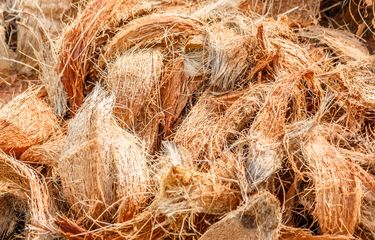
The coconut pot has a small impact on the environment, which is one of its main advantages. Generally used in horticulture, plastic pots are a major source of pollution and take hundreds of years to break down. Instead, coconut pots will break down in months and replenish the soil with vital nutrients. A key component of a more environmentally friendly and sustainable gardening technique is the reduction of plastic waste.
Benefits of Coconut Butt Pot:
- Sustainability and Biodegradation: One of the important aspects of the coconut strap pot is its eco-friendliness. Over time, the degradation of these pots adds organic material to the soil thus improving its fertility. Gardeners will be happy to know that their methods reduce their carbon footprint and are in line with sustainability goals.
- Increased Moisture Retention and Aeration: Pots made of coconut straps have high porosity, thus promoting ideal drainage and aeration of water. Because the texture of the fiber straps keeps the traditional pot from stagnant water, which is a common problem, it promotes healthy root development. Strong growth is driven by increased aeration, which guarantees the roots of plants get the oxygen they need.
- The inherent resistance to natural substances found in coconut seals serves as a barrier against some fungi and pests. The plant environment can be healthier and more natural thanks to this inherent resistance, which can reduce the need for artificial pesticides. In addition to having a fertile garden, gardeners benefit from the use of fewer artificial chemicals.
Using Coconut Seed Pots in Gardening:
- Seed Initialization: Pots made of coconut seeds work well for germination.The biodegradable pot material makes it easy to move it into larger containers or into the soil without damaging the fragile root structure. The optimal environment for seed germination and early plant growth is created by improved air quality and moisture retention.
- Gardening in containers: Coconut cane pots are a good choice for people who grow in a container. They are lightweight and portable, and their porous structure allows for good plant drainage and oxygenation. An abundant harvest can be obtained by using coconut cane pots to grow herbs, flowers, or vegetables.
- Indoor Botanics: Those who like indoor gardening can also benefit from the use of coconut cane pots. The organic beauty of the belt pot fits perfectly with the interior design, and its ability to withstand moisture reduces the need for frequent watering. In addition, the biodegradable coconut belt containers eliminate the need for stripping, thus simplifying the maintenance of indoor plants.
Tips Using Coconut Shovel Pot:
- Watering Guidelines: Although coconut shovel pot can retain moisture well, it is important to water it adequately. Nevertheless, excessive watering can still occur, especially if the pot is stored in a place with high humidity. Gardeners have to monitor groundwater levels and change how often they irrigate.
- Enriching Nutrition: Consider adding organic fertilizer to the soil to get the most out of the coconut pot. When the pot is damaged and adds to soil fertility, more nutrients can support healthy plant development and abundant crop yields.
- Compositing and Recycling: Gardeners can recycle or add coconut cane pots to a compost pile after fulfilling their purpose. Compositing helps create soil improvements that are rich in nutrients, while recycling ensures that the materials can be used for other purposes.
Addressing Common Concerns:
- About Costs: The environmental impact and long-term benefits of coconut belt pots exceed the initial cost when compared to conventional plastic pots. Gardeners may see such expenditure as an investment in the health and sustainability of their crops.
- Accessible and Varied: The availability of coconut strap pots is increasing with the need for environmentally friendly gardening options. Today, gardeners can choose from a variety of sizes and shapes to suit their needs. A variety of plants are often available at the nearest nurseries, park centers, and internet dealers.
Conclusion Coconut fiber pots:
The coconut pot represents a paradigm shift in the battle world. Its biodegradable, sustainable, and diverse benefits make it an attractive choice for both beginner and experienced gardener. As we strive towards a more environmentally conscious life, applying innovations like coconut belt pots is a step in the right direction. By incorporating these pots into gardening practices, we not only nurture crops but also contribute to the well-being of the planet.
