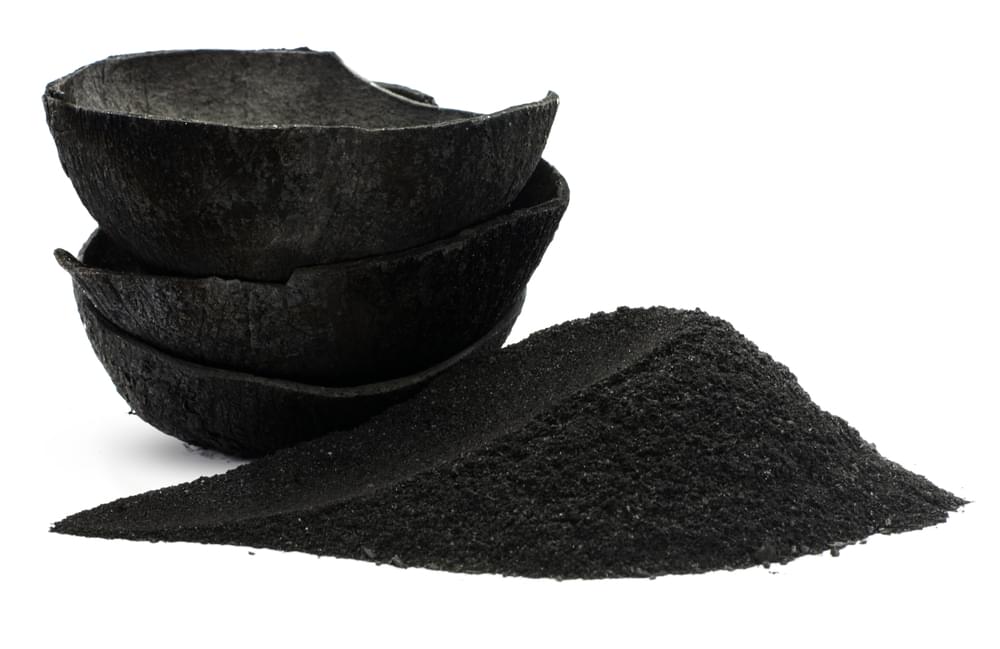
In recent years, coconut shell charcoal briquette has gained significant popularity as an alternative fuel source for cooking, heating, and various industrial uses. Its growing demand reflects a global shift toward cleaner, renewable, and more efficient energy solutions. What does good coconut charcoal look like? Made from discarded coconut shells, this type of charcoal supports environmental sustainability and makes use of agricultural waste that would otherwise go unused.
More and more, both consumers and industries appreciate the advantages of using premium coconut charcoal. It not only performs better in terms of burning efficiency but also helps reduce indoor pollution, waste, and environmental degradation. Choosing the right charcoal means benefiting from consistent heat, cleaner air, and a more responsible approach to energy consumption. Below are the physical and chemical characteristics that define premium coconut shell charcoal.
What Does Good Coconut Charcoal Look Like?
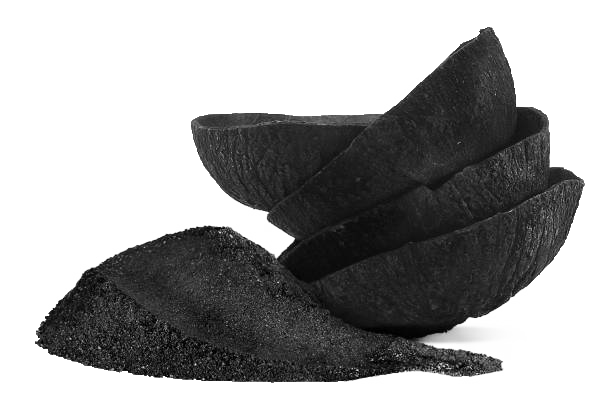
Physical Characteristics of Quality Coconut Shell Charcoal
Color
Top-quality charcoal displays a deep black color with a consistent tone across the entire batch. This dark shade indicates that the shells went through complete carbonization during production.
Structure
A good coconut charcoal briquette feels dense and solid. It doesn’t crumble or break easily, which means the briquette has a compact structure and high durability — essential for handling, packaging, and transport.
Clean Surface
Reliable coconut charcoal comes free from dust, soil, and other unwanted materials. These impurities not only make the product look unappealing but also produce unpleasant odors and excessive smoke when burned.
Chemical Qualities and Performance Indicators
High Fixed Carbon Content
Charcoal with high fixed carbon delivers more heat and burns longer. This component directly impacts how well the charcoal performs during use, especially in high-temperature applications.
Low Moisture Content
Moisture slows down ignition and reduces combustion efficiency. The ideal moisture level in quality briquettes stays around 2%, making them easy to light and reliable for consistent burning.
Low Ash Content
Low ash means less mess. High-grade coconut charcoal leaves minimal residue, so users spend less time cleaning and enjoy a cleaner cooking or heating experience.
Quick Ignition
Efficient charcoal lights up easily without needing extra fuel or chemical starters. This feature adds convenience for users in both domestic and commercial settings.
Stable and High Heat Output
Premium charcoal burns hot and maintains steady heat over time. It works well for grilling, barbecuing, and industrial uses where consistent temperature is crucial.
Low Smoke and Odor
Clean-burning coconut charcoal produces little to no smoke and doesn’t emit harsh or irritating smells. This makes it suitable for indoor and outdoor use without compromising air quality.
Key Benefits of Coconut Shell Charcoal
Eco-Friendly and Sustainable
Unlike wood-based charcoal from mangrove forests, coconut shell charcoal comes from renewable waste. Its production doesn’t contribute to deforestation or environmental harm.
Energy Source Alternative
By using coconut charcoal, individuals and industries can reduce reliance on fossil fuels. This transition promotes preservation of natural resources and cuts down on greenhouse gas emissions.
Long-Lasting Burn
Few charcoals can match the burn time of coconut shell charcoal. It stays hot longer, making it more efficient and cost-effective in the long run.