A briquettes manufacturing project report typically includes information about the proposed project, including its objectives, scope, and expected outcomes. The report may also include a detailed analysis of the market for briquettes, including an overview of the demand for briquettes, the competitive landscape, and the regulatory environment.
The project report may also provide information about the technical aspects of the briquettes manufacturing process, including the equipment and materials required, the production process, and quality control measures. The report may also discuss the potential environmental impact of the manufacturing process and the steps that will be taken to mitigate any negative effects.
Additionally, the report may provide a detailed financial analysis of the project, including an overview of the capital costs, operating expenses, and revenue projections. This analysis may include a breakdown of the expected costs associated with raw materials, labor, equipment, and transportation, as well as an assessment of the potential profitability of the project.
Finally, the project report may include information about the management team and their qualifications, as well as an overview of the project timeline and milestones. The report may also discuss any risks associated with the project and the measures that will be taken to mitigate these risks.
Maybe you like to read the following article about Maintain Soil Hardness Using Coconut Coir Geotextiles
The Example of the Briquette Manufacturing Project
- Project Objective: To establish a briquette manufacturing plant in a rural area in Indonesia to provide a sustainable alternative to traditional fuel sources and create employment opportunities for the local community.
- Market Analysis: The demand for briquettes in Indonesia is growing due to the country’s abundant supply of biomass waste, which can be used as a raw material for briquette production. The competitive landscape for briquettes includes both small and large-scale producers, with the market dominated by a few established players.
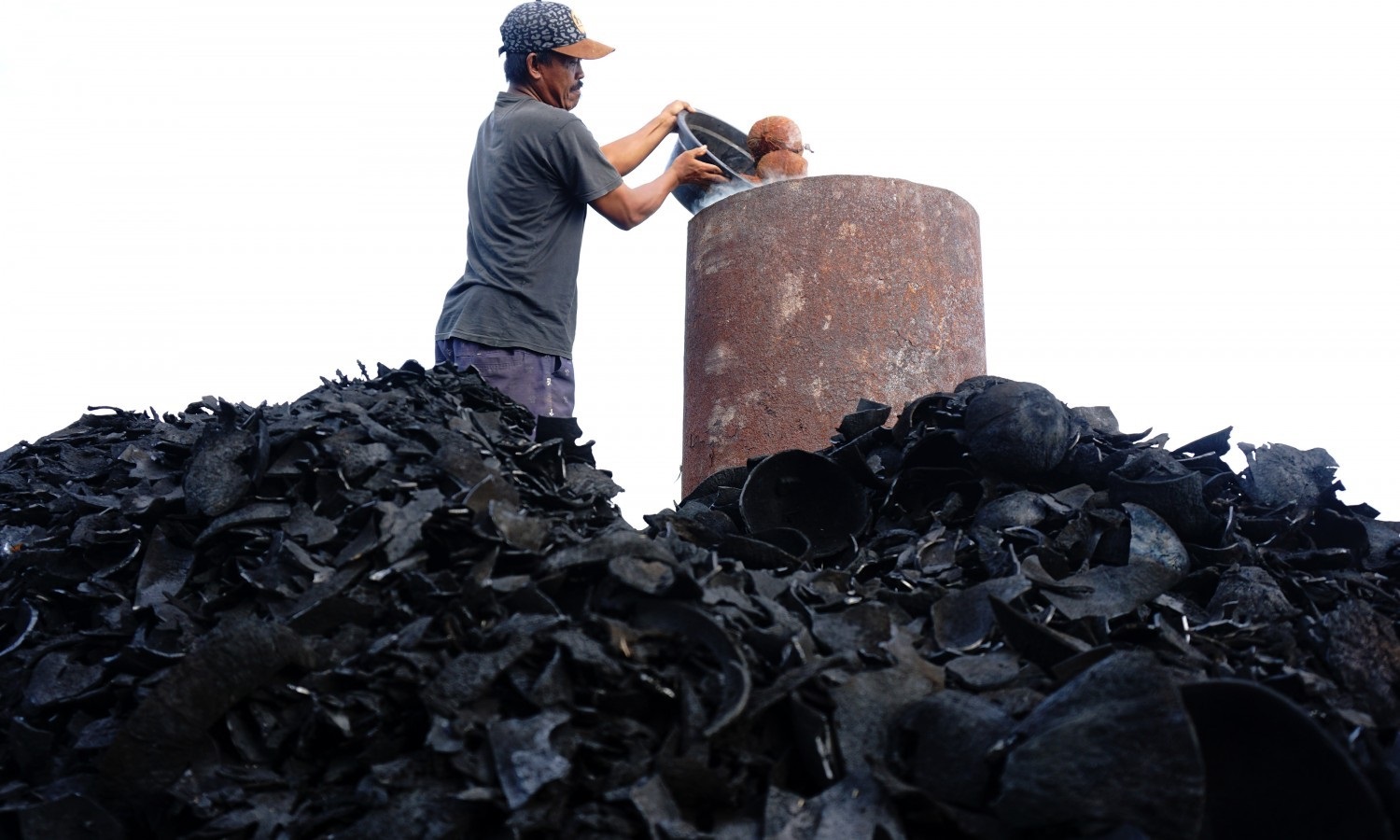
- Technical Aspects: The briquette manufacturing process will involve collecting and processing biomass waste such as coconut shells, sawdust, and rice husks. The raw materials will be dried, crushed, and mixed with a binding agent before being fed into a briquette press to produce finished briquettes. The production process will be monitored for quality control, with regular testing to ensure the briquettes meet established standards.
- Environmental Impact: The project will have a positive impact on the environment by reducing the amount of biomass waste that is burned or left to decompose, which can release harmful greenhouse gases. The production process will also be designed to minimize waste and limit emissions of pollutants.
- Financial Analysis: The capital cost of the project will include the cost of equipment, land, and infrastructure, as well as the cost of raw materials and labor. Revenue projections will be based on the expected demand for briquettes, the selling price, and the production capacity of the plant. The financial analysis will also consider the potential return on investment and the timeline for recouping the initial investment.
- Management Team: The project will be led by an experienced management team with expertise in biomass processing and briquette production. The team will be responsible for overseeing all aspects of the project, including procurement, production, quality control, and sales.
- Timeline and Milestones: The project will be implemented over a period of 18 months, with key milestones including site preparation, equipment installation, and production ramp-up. The timeline will be closely monitored to ensure the project stays on track and within budget.
Conclusion
A briquettes manufacturing project report serves as a comprehensive guide for investors, stakeholders, and other interested parties, providing a detailed analysis of the proposed project and its potential impact on the industry and the environment.
Overall, this briquette manufacturing project has the potential to provide a sustainable alternative to traditional fuel sources while creating employment opportunities and contributing to the local economy. The project’s success will depend on careful planning, execution, and ongoing management to ensure the production process is efficient, cost-effective, and environmentally sustainable.